

1 Killed in 18-Wheeler Accident on I-69 in Houston, TX
Houston, TX — June 10, 2025, One person was killed following an 18-wheeler accident that occurred at around 3:00 A.M. on Interstate 69.
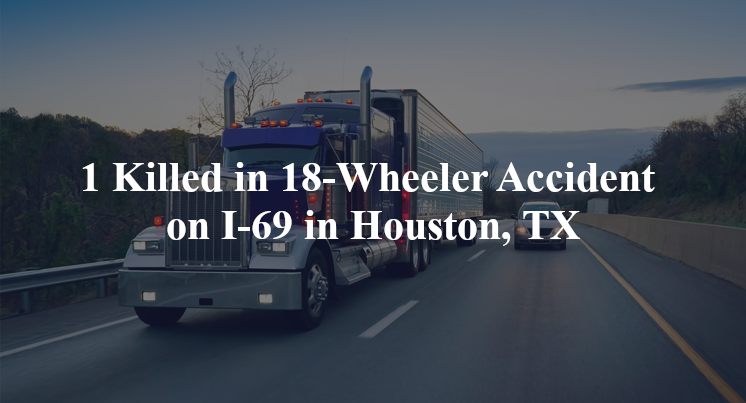
According to official statements, an accident between an 18-wheeler and a sedan occurred along the northbound lanes of Interstate 69 near the Interstate 10 exit. Details on what led to the accident are still being determined by the authorities.
When first responders arrived on the scene they pronounced one person dead, their identity has not been released, nor has anyone's involved in the crash. This remains an ongoing investigation and more information may become available in the future.
Commentary by Attorney Michael Grossman
When people hear that an 18-wheeler and a sedan collided on Interstate 69, their first question is usually straightforward: How could something like this happen? Unfortunately, the official statements so far don’t offer much to go on. We know the crash happened near the I-10 exit and that someone lost their life, but beyond that, very little has been shared. That lack of clarity leaves the public—and anyone affected—searching for answers.
Right now, it’s not clear how the collision occurred. Did one vehicle drift into the other’s lane? Was there a sudden stop, mechanical failure, or an attempt to change lanes? Until those basic facts are established, we can’t begin to assess where responsibility might lie.
That’s why a proper investigation doesn’t just look at the crash scene. It digs into everything that happened in the moments leading up to the impact. A commercial truck's engine control module—its “black box”—can record speed, braking, steering inputs, and more. In-cab cameras, if available, can show whether the truck driver was paying attention. Cell phone records might indicate if someone was distracted. All of that data helps reconstruct what actually occurred—not just what someone says happened.
Depending on whether the truck was merging, stopped, or changing lanes, different legal questions come into play. If the truck was stationary, was it properly marked and positioned? If it was moving, what kind of maneuver was it attempting and did it leave the sedan enough room?
The trucking company’s role also deserves scrutiny. Who trained the driver? What’s their record like? Was this someone with a clean safety history or a pattern of risky behavior? I’ve worked on cases where a driver had multiple prior terminations before getting hired by a company that barely vetted him. In those situations, the hiring decision becomes just as important as what happened on the road.
The challenge in cases like this is that surface-level details don’t always tell the full story. That’s why black box data, dash cam footage, and driver history matter. They allow us to separate speculation from fact and ensure that any accountability is based on evidence.
Key Takeaways
- The cause of the crash remains unknown; key facts such as which vehicle moved into whose lane are still unavailable.
- Black box data, dash cams, and cell phone records are crucial tools for determining what really happened.
- It’s important to examine not just the crash itself, but also the truck driver's training and employment history.
- Depending on whether the truck was moving or stationary, different legal responsibilities may apply.
- A thorough investigation is essential to identify the full chain of events and all responsible parties.
“These are essential reads for anyone dealing with the aftermath of a truck wreck”– Attorney Cory Carlson