
Austin, TX — May 3, 2025, Aiden Aleu was killed in a motorcycle accident at about 8:335 a.m. on F.M. 1325 in Rolling Oaks.
A preliminary accident report indicates that a northbound 2011 Yamaha YZFR6 motorcycle was turning left when it crashed into a 2022 Chevrolet Malibu that had been going south.
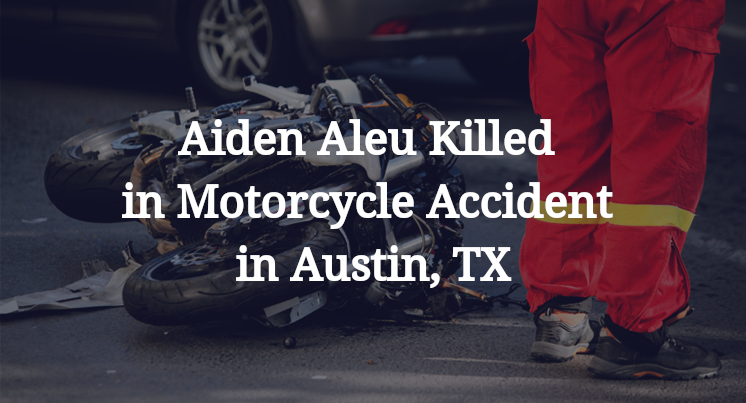
Motorcyclist Aiden Joseph Aleu, 22, died in the Austin crash, according to the report.
The Chevrolet driver was not hurt, but an 8-year-old boy who was riding with him suffered minor injuries, the report states.
Authorities have not released any additional information about the Williamson County crash.
Commentary by Attorney Michael Grossman
After a tragedy like this, what lingers isn’t just shock; it’s the quiet churn of unanswered questions. Fatal motorcycle accidents often leave behind not only broken lives but also a trail of investigative gaps that need urgent attention.
Did the authorities thoroughly investigate the crash? When a crash involves a motorcycle and a passenger vehicle, it’s crucial that investigators dig deeper than just the point of impact. Was the scene fully reconstructed using precise tools like laser scanners? Did anyone chart out the paths both vehicles took in the moments before impact? Understanding whether the motorcyclist’s turn was misjudged, or if the car’s position contributed, depends on more than just a glance at skid marks. With varied levels of crash analysis training among officers, there’s always a risk that crucial nuances are overlooked unless specialized resources are brought in.
Has anyone looked into the possibility that a vehicle defect caused the crash? A mechanical failure, whether in the bike or the car, could completely change the understanding of what happened. If the motorcycle’s brakes didn’t respond or if there was a sudden power surge, it might explain why the turn ended in a collision. The same goes for the car. A malfunctioning sensor or steering issue could have caused it to drift or accelerate unexpectedly. These things aren’t obvious at the scene; they require a hands-on inspection of both vehicles, something that doesn’t always happen unless someone asks for it.
Has all the electronic data relating to the crash been collected? Today’s vehicles, even motorcycles, often carry data that can speak louder than any eyewitness. The Chevrolet almost certainly has systems that recorded speed, brake application and steering input. If the motorcycle had aftermarket devices or connected apps, those might offer clues too. GPS data, phone records and nearby traffic cameras can all help piece together whether either party was distracted, speeding or reacting in the final seconds. But none of that matters if no one pulls the data.
Without pressing these kinds of questions, there’s a real danger that the public record ends up being only part of the truth. Digging deeper isn’t about blame; it’s about clarity, and that makes all the difference when lives have been lost.
Key Takeaways:
- Crash investigations need more than a surface look to reveal how events really unfolded.
- A mechanical failure in either vehicle could shift the entire picture of fault or misjudgment.
- Electronic data, like speed logs and camera footage, can show what the human eye missed.

 call us
  Email Us
  Text us