
Rowlett, TX — August 14, 2025, Ariel Holmes was injured as the result of a semi-truck accident at around 7:22 a.m. along Interstate 30.
Initial details about the accident say that it happened near Dalrock Road along westbound lanes of the interstate.
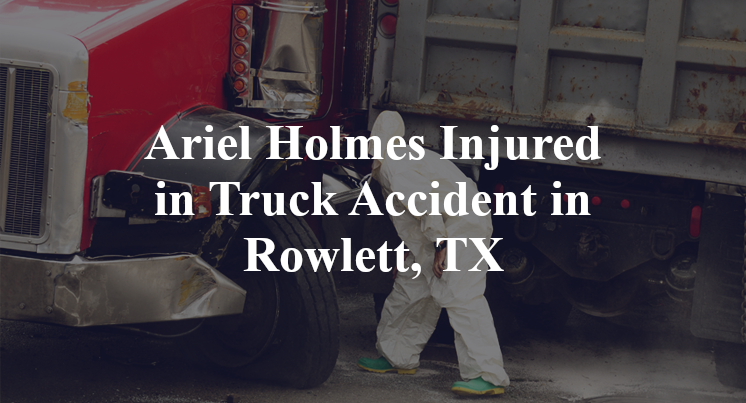
According to authorities, 44-year-old Ariel Holmes was in a GMC Sierra going along the interstate. An 18-wheeler was going the same direction when it reportedly made an unsafe lane change. As a result, the 18-wheeler and the GMC collided. A Toyota was also involved in the accident.
Due to the accident, Ariel Holmes was seriously injured. No other injuries were confirmed. Authorities did not report any pending charges.
Commentary by Attorney Michael Grossman
When a semi-truck makes an unsafe lane change and ends up causing a multi-vehicle crash, as is alleged here, it’s natural to focus on the single obvious error. But in commercial vehicle wrecks, the real concern isn’t just that a mistake happened. It’s understanding why it happened—and that often means looking far beyond the cab of the truck.
Professional truck drivers are expected to be trained, attentive, and careful. So when one causes a crash with a simple lane change, it raises serious questions. Was the driver distracted? Rushing to stay on schedule? Fatigued from too many hours on the road? And most importantly, was their employer doing anything to monitor or prevent those conditions?
In cases like this, I’ve seen companies neglect the very systems that are supposed to catch problems before someone gets hurt. That might mean skipping meaningful training on defensive driving, ignoring red flags in safety records, or pushing delivery schedules that encourage risk-taking. Sometimes it’s as simple as failing to use available technology—like in-cab cameras or GPS tracking—that could have flagged unsafe habits well in advance.
An unsafe lane change might seem like a one-off, but it’s often the last link in a chain of problems that starts with how a company runs its fleet. That’s why an investigation into this crash shouldn’t stop at the scene—it should dig into the truck driver’s history, rest logs, dispatch instructions, and the company’s safety practices overall. Because until we understand the full picture, we don’t really know who or what set this collision in motion.
Key Takeaways
- An unsafe lane change by a truck driver may reflect deeper issues in scheduling, training, or oversight.
- Trucking companies are responsible for creating safe working conditions—not just reacting after a crash.
- Common employer failures include lack of monitoring, poor training, and pressure to meet unrealistic deadlines.
- Investigators should review the company’s role, including dispatch practices and driver supervision.
- Understanding why the crash happened—not just what happened—is key to finding real accountability.

 call us
  Email Us
  Text us