

Bicyclist Injured in Bus Accident on Chapman St. in Houston, TX
Harris County, TX — March 2, 2025, a man was injured following a bicycle versus bus accident at approximately 10:15 p.m. along Chapman Street.
According to authorities, a man was traveling on a bicycle on Chapman Street at the Lorraine Street intersection when the accident took place.
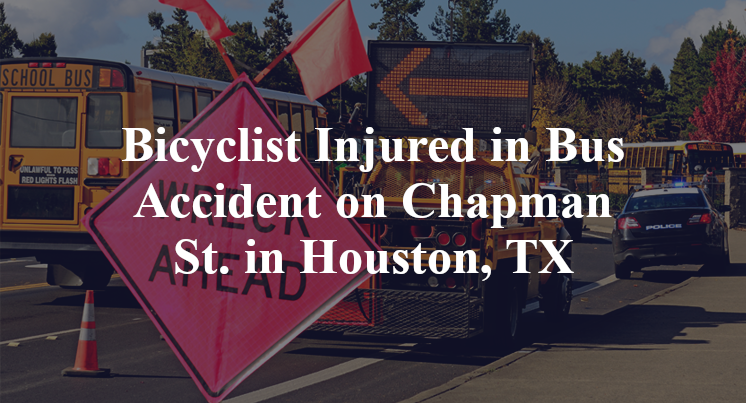
Details surrounding the accident remain scarce. Officials indicate that, for as yet unknown reasons, the bicycle entered the intersection at an apparently unsafe time, failing to yield the right-of-way at a stop sign. This resulted in a collision between the bicycle and a bus that had been traveling eastbound on Lorraine.
The bicyclist reportedly sustained serious injuries over the course of the accident. Additional information pertaining to this incident—including the identity of the victim—is not available at this point in time. The investigation is currently ongoing.
Commentary by Attorney Michael Grossman
When I see reports like this, my main concern is whether the injured bicyclist and their loved ones will get the answers they need about what happened. Collisions between bicycles and buses raise immediate concerns due to the severe imbalance in size and protection, but experience has shown me that incidents like this often involve more than simply a failure to yield. That’s why it’s critical to examine three key questions when looking into any serious accident.
The first question is whether authorities have conducted a thorough investigation. While initial reports may suggest that the bicyclist failed to yield, that’s not always the whole story. Did investigators check whether visibility was a factor at the intersection—was the stop sign clearly visible and unobstructed? Were there streetlights, and if so, were they working? Did the bus operator see the bicyclist in time, and were evasive actions attempted? Did nearby businesses or traffic cameras capture any footage of the intersection? A full understanding of these elements is essential before any conclusions can be drawn.
The second question to consider is whether anyone has looked into the possibility of a vehicle or equipment defect. While that may seem less common in bicycle versus motor vehicle crashes, it still warrants review. Did the bicycle have functioning brakes or lights, especially considering this occurred at night? Was the bus functioning properly—were its headlights on, was its braking system responsive, and was the driver’s field of vision clear? Equipment-related issues are often overlooked unless someone takes deliberate steps to investigate them. A careful review of both the bus and the bicycle could shed light on whether any defect played a role in the crash.
Finally, it’s important to determine whether all relevant electronic data has been collected. Many modern buses are equipped with onboard cameras, GPS tracking, and telematics that can reveal the vehicle’s speed, braking patterns, and any sudden maneuvers. This data could help clarify the timeline of events. Additionally, surveillance footage from the surrounding area or even dash cameras from passing vehicles could provide independent perspectives on what occurred. The earlier this data is retrieved and preserved, the better chance it has of helping build a complete picture.
At the end of the day, answering these questions could be essential to understanding what really happened and why. A thorough examination of all three of these issues—including the quality of police investigations, possible vehicle or equipment defects, and electronic data—is the least that can be done to ensure that those affected by the crash receive the clarity they deserve.
*We appreciate your feedback and welcome anyone to comment on our blog entries, however all visitor blog comments must be approved by the site moderator prior to showing live on the site. By submitting a blog comment you acknowledge that your post may appear live on the site for any visitors to see, pending moderator approval. The operators of this site are not responsible for the accuracy or content of the comments made by site visitors. By submitting a comment, blog post, or email to this site you acknowledge that you may receive a response with regard to your questions or concerns. If you contact Grossman Law Offices using this online form, your message will not create an attorney-client relationship and will not necessarily be treated as privileged or confidential! You should not send sensitive or confidential information via the Internet. Since the Internet is not necessarily a secure environment, it is not possible to ensure that your message sent via the Internet might be kept secure and confidential. When you fill out a contact or comment form, send us an email directly, initiate a chat session or call us, you acknowledge we may use your contact information to communicate with you in the future for marketing purposes, but such marketing will always be done in an ethical way.