
El Paso, TX — May 19, 2025, Austin Rhodes was killed as the result of a car accident that happened at around 1:36 a.m. along Spur 601.
According to initial details from the El Paso Police Department, the accident happened in the area of Global Reach Drive.
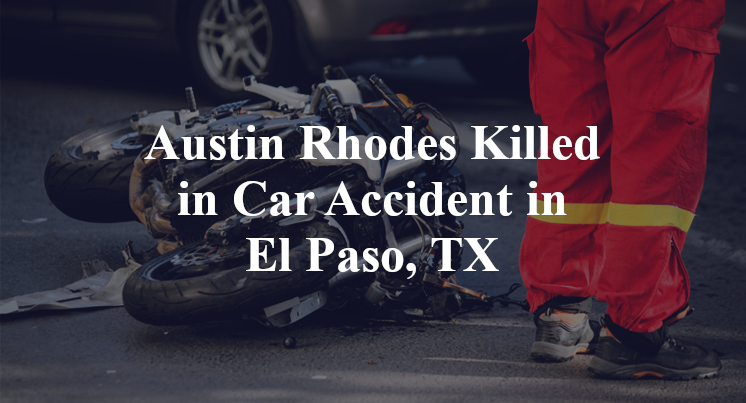
Investigators said that 24-year-old Austin Rhodes was on a motorcycle going westbound along the highway. For reasons which aren’t clear at the time, the motorcycle left its lane, and it crashed along the median. Due to this, authorities say that Austin Rhodes was killed.
Authorities did not mention any other vehicles being involved in the accident. No further information is available at this time.
Commentary by Attorney Michael Grossman
After a crash like this, I think most people want to know what caused a motorcyclist to lose control—especially when there’s no mention of another vehicle being involved. When the official explanation is unclear, it’s important to look closer and ask the questions that help uncover what really happened.
First, did investigators have the time and tools to fully examine the scene? A crash at 1:36 a.m. raises immediate concerns about visibility, road lighting, and surface conditions. Was there debris on the roadway? Were there any sharp curves, worn lane markings, or other hazards that could have contributed? If those conditions weren’t closely examined and documented, the investigation might miss key factors.
Next, has anyone considered whether a vehicle defect played a role? On motorcycles, even small mechanical problems—like a tire blowout, brake failure, or steering defect—can cause sudden loss of control. These issues may not leave obvious signs unless the motorcycle is carefully inspected. That kind of inspection is critical before making any assumptions about rider error.
Finally, has all available electronic data been collected? Vehicle information, GPS data, cell phone records, and possible nearby surveillance cameras can offer valuable insight on the crash. If the rider swerved to avoid something or if another vehicle played an unreported role, this kind of evidence could help fill in the gaps.
Even when a crash seems straightforward, the real story often depends on asking the right questions early—and following the evidence wherever it leads.
Key Takeaways:
- Nighttime crashes require a thorough review of visibility, road conditions, and physical evidence.
- Mechanical issues on a motorcycle can be subtle but significant and must be ruled out.
- Electronic data—from vehicle systems, phones, GPS, or cameras—can help explain unclear events.
- Careful, early investigation is key to understanding how and why a crash happened.

 call us
  Email Us
  Text us