
Knoxville, TN — April 14, 2025,One person was killed following a car accident that occurred at around 3:30 P.M. on Pleasant Ridge Rd.
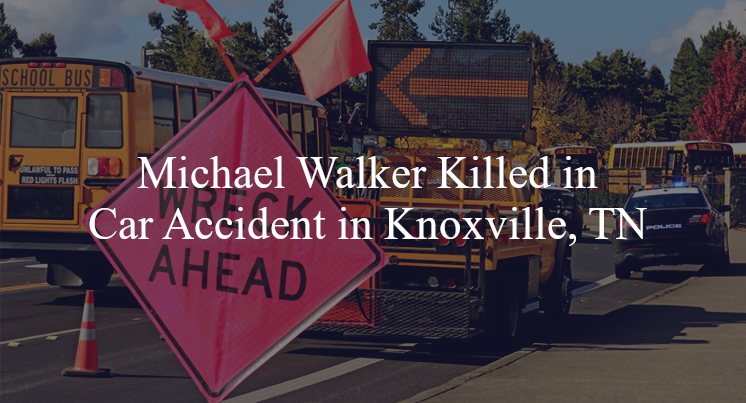
An investigation is underway following a car accident that left one person dead during the afternoon hours of April 14th. According to official reports, Michael Walker was traveling in a Jeep Cherokee in the area of Pleasant Ridge Road and Clinton Highway behind a Chevy pickup truck, when a trailer hitch fell out of that truck and went through the Jeep’s windshield.
When first responders arrived on the scene, they found that Walker had sustained fatal injuries and he was pronounced deceased. At this time there has been no further information released from the accident, however this remains an ongoing investigation and more details may be released by authorities in the future.
Commentary by Attorney Michael Grossman
When an object separates from a vehicle and results in the death of another motorist, it raises immediate questions about responsibility, preventability, and oversight. In this case, where a trailer hitch detached from a pickup truck and struck a following vehicle, causing fatal injuries, it’s not enough to treat the incident as a rare mishap. We must begin by asking the three essential questions that guide every thorough investigation: Did the authorities conduct a complete and methodical investigation? Has anyone considered whether a mechanical defect or equipment failure contributed to the incident? And has all relevant electronic and physical evidence been collected?
First, the investigative process must account for the mechanics of the crash and the sequence of events leading up to it. Investigators should determine exactly how the trailer hitch separated from the pickup truck—whether it was improperly secured, failed due to wear, or came loose because of a defect in the towing assembly. The inspection must include a detailed look at the components used, their condition, and whether they meet safety standards. It’s also essential to gather witness statements and examine the scene for other contributing factors, such as road conditions, spacing between the vehicles, or possible evasive actions.
Second, the role of equipment integrity cannot be ignored. Trailer hitches and towing hardware are subject to stress, and failure may stem from product defects, improper installation, or inadequate maintenance. If the hitch was part of an aftermarket assembly or had previously been recalled, those details are crucial. Even if the pickup driver acted in good faith, a manufacturing defect or misleading installation instructions could shift liability. Unfortunately, investigations don’t always include this level of scrutiny unless someone pushes to preserve the hardware and evaluate it with expert analysis.
Lastly, while this crash may not involve electronic control modules in the traditional sense—given that no vehicle-to-vehicle contact occurred—electronic evidence still matters. Surveillance footage, dashcam video, and cell phone data from the involved vehicles or nearby witnesses may help establish timing, movement, and positioning. In addition, if the pickup truck had a trailer brake controller or towing assistant system, those devices might store diagnostic logs that offer insight into what the driver was doing at the time of the incident. The value of this kind of data increases in cases where the event happens suddenly and without typical crash dynamics.
Crashes involving unsecured loads or failed components don’t just raise questions about the drivers—they call attention to the parts and products in use, and the responsibilities that come with them. When someone loses their life in this manner, a thorough investigation, detailed review of equipment integrity, and careful preservation of electronic and physical evidence are the only means by which the full picture can come into focus. These steps are not just about identifying liability—they’re about ensuring that the same failure doesn’t lead to another life lost under similar circumstances.

 call us
  Email Us
  Text us