
McLennan County, TX — August 29, 2025, Noe Perez was injured due to a motorcycle accident at approximately 4:00 a.m. along University Parks Drive.
According to authorities, 23-year-old Noe Perez was traveling on a westbound Harley-Davidson motorcycle at the University Parks Drive and S.H. 6 frontage road intersection when the accident took place.
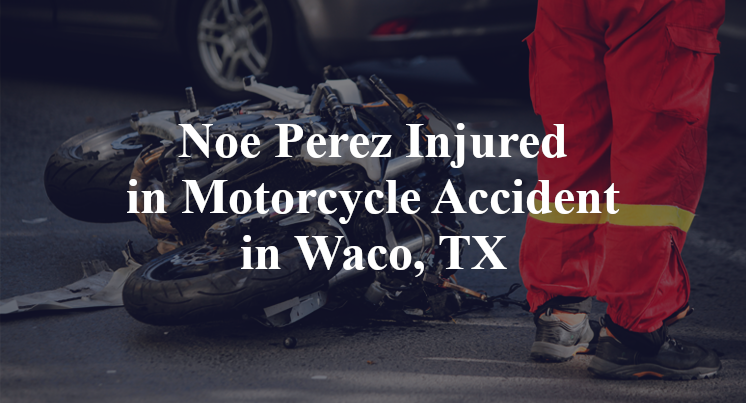
Officials indicate that, for reasons yet to be concerned, the motorcycle took an improperly wide turn. It was subsequently involved in a single-vehicle collision in which it apparently overturned. Perez reportedly sustained serious injuries over the course of the accident. Additional details pertaining to this incident are not available at this point in time. The investigation is currently ongoing.
Commentary by Attorney Michael Grossman
When a motorcycle goes down in the early hours of the morning, the explanation often gets reduced to a simple phrase like “took a wide turn.” But that description doesn’t explain why the crash happened, or whether it could have been avoided. A real investigation requires looking beyond the surface.
1. Did the authorities thoroughly investigate the crash?
A motorcycle overturning at an intersection should raise questions about the rider’s path, speed, and actions before the fall. Did investigators measure skid marks or examine lean angle and braking evidence? Was the rider’s trajectory mapped against the roadway? Without those steps, the phrase “improperly wide turn” becomes a placeholder for what might actually have been a sudden maneuver forced by another factor.
2. Has anyone looked into the possibility that a vehicle defect caused the crash?
Motorcycles are sensitive machines, and even small mechanical issues can cause serious problems. A locked front brake, faulty steering component, or tire failure could easily push a rider wide on a turn. On a Harley-Davidson, issues with throttle response or clutch systems can also contribute. These problems don’t leave obvious evidence at the crash site—they require a hands-on inspection. If that hasn’t been done, the possibility of a defect may be ignored altogether.
3. Has all the electronic data relating to the crash been collected?
Modern motorcycles sometimes record data about throttle position, braking force, and speed. If Perez had a smartphone or GPS device active, that information could help reconstruct what happened leading into the turn. And at a major intersection, cameras may have captured the crash itself. Without pulling together this electronic evidence, the true sequence of events may never be known.
A motorcycle overturning late at night isn’t always just a rider’s mistake. The story often lies in the overlooked details—the kind that only come to light when investigators ask deeper questions.
Takeaways:
- A careful reconstruction is needed to explain why the bike went wide in the turn.
- Mechanical problems could have forced the crash and should be ruled out.
- Data from the motorcycle, phones, or cameras may provide the clearest answers.

 call us
  Email Us
  Text us