

2 Injured in Truck Accident on US 380 in Princeton, TX
Collin County, TX — July 30, 2025, two people were injured as the result of a semi-truck accident that happened at 5:11 a.m. on US 380/Princeton Drive.
According to initial details about the accident, it happened in the area of the Princeton Drive and Caldwell Street intersection.
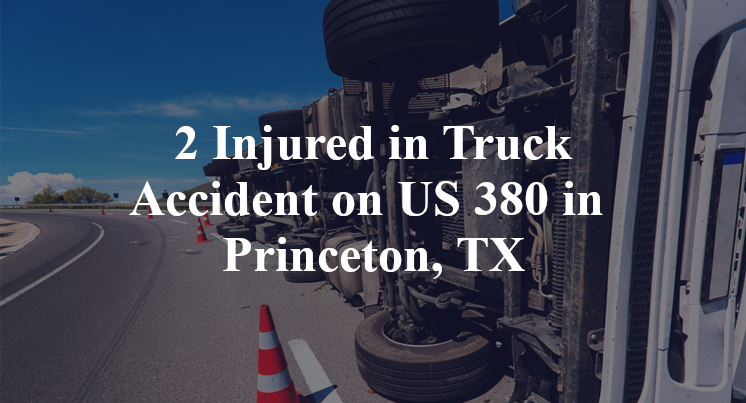
Investigators said that a 28-year-old woman and a 28-year-old man were in a Nissan Pathfinder traveling eastbound on Princeton. An International semi-truck was going westbound. That truck allegedly failed to yield the right of way, crashing with the Nissan.
Due to the accident, the man in the Nissan reportedly was seriously injured while the woman had apparently minor injuries. No other injuries were confirmed. At this time, additional details remain unconfirmed.
Commentary by Attorney Michael Grossman
If it's true that a semi-truck failed to yield here, it’s natural for people to focus on what the driver did wrong. But in commercial vehicle cases, the real issue is almost never just about the driver’s actions—it’s about what led to those actions in the first place. In other words, we can't stop at what went wrong. We have to ask why it went wrong—and that often means examining the role of the trucking company behind the scenes.
In this incident, officials say the semi-truck failed to yield and collided with a Nissan, seriously injuring one of its occupants. That mistake might sound simple, but it didn’t happen in a vacuum. Was the driver unfamiliar with the route? Had they been driving for too long without rest? Were they in a hurry to meet a delivery window? Those aren’t just driver problems—they’re company problems too.
In many of the cases I’ve handled, these failures are connected to how a company manages its drivers. Some carriers push aggressive schedules that leave no room for caution. Others fail to train drivers yet put them behind the wheel anyway. And in far too many situations, companies ignore clear warning signs—past violations, poor route planning, or fatigue risks—until someone gets hurt.
That’s why it’s so important to dig deeper after these accidents. Looking at dispatch logs, rest breaks, GPS data, and training history can reveal whether this mistake was truly isolated or if it’s part of a larger pattern that could have been prevented. Not only does this help see there's accountability for a crash, but it also helps prevent future accidents.
Key Takeaways
- A truck driver’s failure to yield is often a symptom of deeper issues—not just a one-off error.
- Trucking companies may contribute to crashes through unrealistic schedules, poor training, or failure to monitor driver behavior.
- Understanding why the crash happened requires reviewing more than just the accident report.
- Company policies, route planning, and driver oversight all play a critical role in road safety.
- Accountability must extend beyond the driver to the systems and practices that shaped the situation.
“These are essential reads for anyone dealing with the aftermath of a truck wreck”– Attorney Cory Carlson