

1 Injured in 18-Wheeler Accident on West 26th in Erie, PA
Erie, PA — March 24, 2025, One person was injured following an 18-wheeler accident that occurred at around 8:00 A.M. on West 26th.
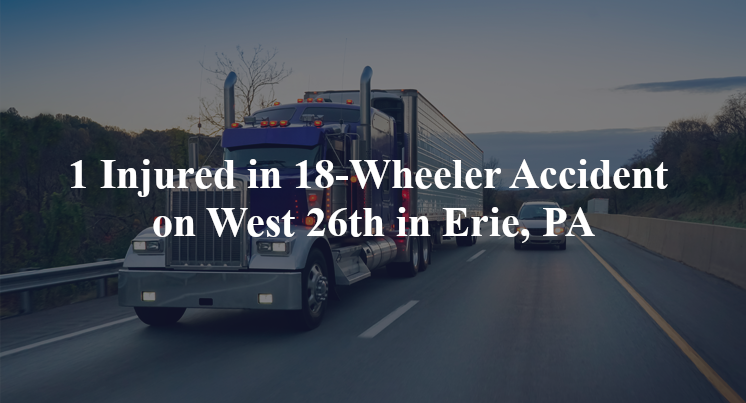
Officials are investigating after an 18-wheeler accident left one person injured on the morning of March 24th. According to reports, an accident involving an 18-wheeler and two vehicles occurred in the intersection of West 26th and Rudolph Avenue, however the circumstances of the accident and what led to it are still being determined.
When first responders arrived on the scene, they found that one person had sustained serious injuries and they were transported to the hospital for treatment. At this time there has been no further information released about the accident, including the status of the motorist's injuries, however this remains an ongoing investigation and more details may be released in the future.
Commentary by Attorney Michael Grossman
Crashes that happen in intersections, especially those involving 18-wheelers, are rarely as simple as they might seem at first glance. Most people are quick to assume that someone ran a light or failed to yield, but in my experience, the real story often goes much deeper—and it’s not something you can piece together just by looking at the wreckage.
The first step in any investigation like this should be to examine what each vehicle was doing in the seconds before the crash. That includes pulling data from the 18-wheeler’s Electronic Control Module (ECM), which can show whether the truck was accelerating, braking, or coasting into the intersection. It’s not enough to say one driver “may have” caused the crash. You need hard evidence, and the ECM is one of the few tools that can provide it.
Another issue that should be looked at is timing—was the driver of the 18-wheeler operating under pressure to meet a delivery window? Tight schedules often push commercial drivers to take risks, like speeding through yellow lights or trying to squeeze through traffic gaps that aren’t really there. If that kind of pressure played a role, then whoever set the schedule might share some of the responsibility.
And then there’s training. Intersections require quick judgment and awareness of multiple threats—vehicles, pedestrians, changing lights, and more. If a driver wasn’t properly trained to navigate those situations, that could be a sign of a broader failure on the part of the trucking company, not just a momentary lapse behind the wheel.
The truth is, most crash investigations don’t go far enough. They focus on what happened, but not always why it happened. Without a deeper look—into the truck’s data, the company’s practices, and the decisions that led up to the crash—it’s easy to miss what really caused the wreck. And when someone ends up seriously hurt, that’s not good enough.
“These are essential reads for anyone dealing with the aftermath of a truck wreck”– Attorney Cory Carlson