

Man Injured in Motorcycle Accident on Wells Branch Pkwy. in Travis County, TX
Travis County, TX — August 28, 2024, a man was injured in a motorcycle accident shortly before 10:15 p.m. along Wells Branch Parkway.
According to authorities, a 38-year-old man from Austin was traveling on an eastbound Kawasaki motorcycle on Wells Branch Parkway and attempted to make a left turn to head south on Double File Trail when the accident took place.
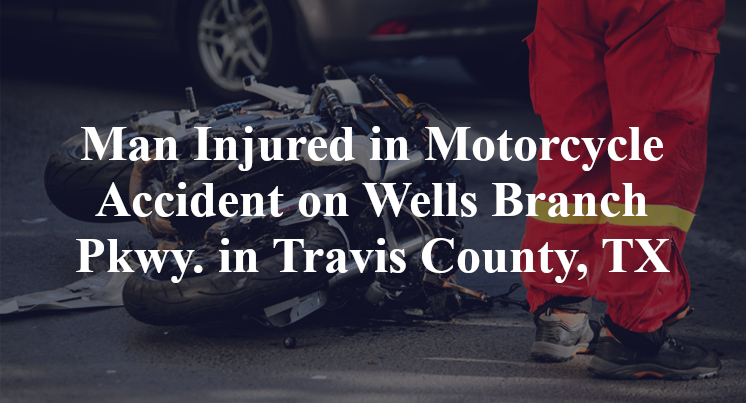
Officials indicate that, for as yet unknown reasons, the motorcycle's back wheel apparently slipped during the turn and the motorcycle was consequently involved in a single-vehicle accident. The man reportedly sustained serious injuries over the course of the accident. He was transported to a local medical facility by EMS in order to receive necessary treatment. Additional details pertaining to this incident are not available at this point in time.
Commentary by Attorney Michael Grossman
Motorcycle crashes during turns often get chalked up to “losing traction,” but that explanation skips over what matters most: why the bike lost grip in the first place. When the result is serious injury, the investigation needs to go much deeper than a simple label.
1. Did the authorities thoroughly investigate the crash?
When a motorcycle goes down mid-turn, investigators need to understand the full dynamics of the incident. Did they examine the road surface for oil, gravel, or uneven pavement? Was the turn radius tight enough to force excessive lean or cause instability? Did they document skid marks or scuff patterns that might indicate over-braking or abrupt throttle changes? Motorcycle crashes require a level of detail that many scene investigations don’t capture unless the agency is specifically trained for it.
2. Has anyone looked into the possibility that a vehicle defect caused the crash?
If the rear wheel slipped out during a turn, mechanical failure should absolutely be on the table. Was the rear brake functioning correctly? Did the tire have proper tread or suffer a blowout? Could the chain have slipped or the suspension system failed under load? These aren’t just technical hypotheticals—they’re real possibilities that could make a routine turn into a dangerous crash. If the bike wasn’t preserved for inspection, those answers may already be lost.
3. Has all the electronic data relating to the crash been collected?
While motorcycles don’t always carry as much onboard data as cars, many modern models do record lean angles, brake pressure, and throttle input. That information could help show whether the rider made a sudden move—or if the bike failed to respond appropriately. If the rider was using a phone, GPS unit, or Bluetooth headset, those logs could also point to distraction. But none of that matters unless someone thought to retrieve it.
A serious injury in a single-vehicle motorcycle crash isn’t just bad luck—it’s a warning sign that something went wrong. Understanding that moment fully starts by asking the right questions, not just settling for easy answers.
Takeaways:
- Motorcycle crashes in turns need close inspection of the road surface and crash trajectory.
- Mechanical failures like worn tires, brake issues, or suspension problems could explain sudden loss of traction.
- If available, onboard data can clarify whether the rider misjudged the turn—or the machine failed him.
*We appreciate your feedback and welcome anyone to comment on our blog entries, however all visitor blog comments must be approved by the site moderator prior to showing live on the site. By submitting a blog comment you acknowledge that your post may appear live on the site for any visitors to see, pending moderator approval. The operators of this site are not responsible for the accuracy or content of the comments made by site visitors. By submitting a comment, blog post, or email to this site you acknowledge that you may receive a response with regard to your questions or concerns. If you contact Grossman Law Offices using this online form, your message will not create an attorney-client relationship and will not necessarily be treated as privileged or confidential! You should not send sensitive or confidential information via the Internet. Since the Internet is not necessarily a secure environment, it is not possible to ensure that your message sent via the Internet might be kept secure and confidential. When you fill out a contact or comment form, send us an email directly, initiate a chat session or call us, you acknowledge we may use your contact information to communicate with you in the future for marketing purposes, but such marketing will always be done in an ethical way.