

Teen, 1 Killed in Semi-Truck Accident on Highway 93 in Missoula County, MT
Missoula County, MT — January 3, 2025, a teenager and one other were killed following a semi-truck accident at around 4:00 p.m. along Highway 93.
According to initial statements from the Montana Highway Patrol, the crash happened in the area of Evaro Hill, several miles north of Missoula.
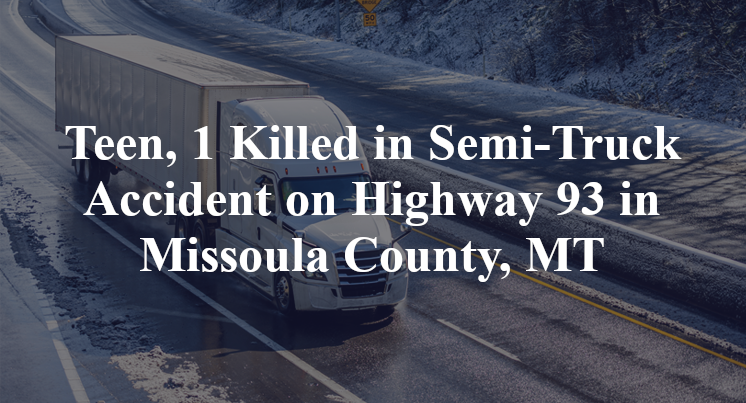
It appears that a teenager and one other were in a GMC Sierra which was going along Highway 93. While doing so, details say a southbound semi-truck lost control on slick roads and crossed the yellow line. As a result, the truck crashed with the GMC, following which two others vehicles crashed with the semi-truck.
Both the teen and the other occupant of the GMC were killed. The truck driver had unspecified injuries. No other injuries were reported. Right now, authorities say they're looking into speed as a possible factor in the crash.
Commentary by Attorney Michael Grossman
It's a good sign authorities are looking into speed as a possible factor here. I've had many cases involving bad weather conditions where authorities just blamed the weather rather than a truck driver's behavior in that weather. But even if speed was a factor here, there could be more to the story than what authorities are looking into. When a truck driver's reckless actions cause a crash, it's important to know why a truck driver engaged in that behavior. That requires efforts beyond just investigating the crash scene itself. Let me explain.
In my experience handling hundreds of commercial vehicle accident cases, a truck driver's decisions in moments like these often trace back to company policies and pressures. Many drivers operate under immense pressure to meet tight delivery schedules or face penalties for delays, forcing them to choose between their jobs and safe driving practices. Too often, drivers make the choice to risk an accident rather than risk their livelihood.
For example, some companies have on-time delivery incentives or penalties that create a dangerous "hurry up" culture. Drivers know their future assignments might suffer if they don't meet expectations, so they may push through bad weather at speeds that don't match the road conditions. In other cases, dispatchers may pressure drivers to keep moving despite warnings about icy roads.
Training can also play a significant role. A reasonably prudent professional driver should know how to handle a rig in adverse weather, but not all companies ensure their drivers receive that training. Additionally, some companies knowingly hire drivers who lack experience because it’s cheaper, quicker, or more convenient.
On top of all that, the condition of the truck itself is crucial to consider. Proper maintenance is essential for safe operation in challenging conditions. Worn tires, faulty brakes, or malfunctioning safety systems can turn what should be a manageable situation into a disaster. Ensuring trucks are roadworthy is the employer's responsibility, but not all companies prioritize that as they should.
To sum all of this up, it’s essential to look beyond obvious possible factors and dig into the details behind the scenes which may have set the stage and made the crash inevitable. Generally speaking, that's something I expect from independent accident reconstructions, not necessarily preliminary police investigations. Perhaps authorities involved in this crash have a crash reconstruction team with the experience and equipment to go beyond the surface. If not, though, there needs to be a more thorough examination by professional investigators to ensure the victims' loved ones see accountability for what happened here.
“These are essential reads for anyone dealing with the aftermath of a truck wreck”– Attorney Cory Carlson