

3 Injured in Truck Accident on State Route 99 in Selma, CA
Selma, CA — January 25, 2025, three people were injured in a truck accident at about 12:15 a.m. on California State Route 99.
Authorities said a semi-truck rear-ended a camper trailer near Second Street when it apparently failed to slow down in traffic caused by another accident about 15 minutes earlier. The impact damaged the trailer and forced the Dodge pickup that had been pulling it to crash into several other vehicles.
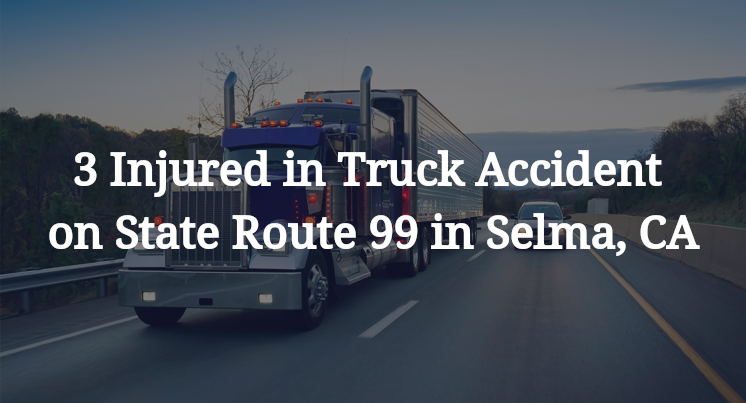
Three people who had been inside the Dodge were hospitalized with unspecified injuries, according to authorities.
No other injuries were reported.
The crash occurred shortly after another semi-truck hit a travel trailer that had detached from the car towing it, spreading pieces of it across two northbound lanes of the highway, authorities said.
The second accident happened when the second truck driver reportedly did not notice the other vehicles slowing down, according to authorities.
Commentary by Attorney Michael Grossman
Whenever a commercial truck rear-ends another vehicle, especially in slowed traffic, the first question that comes to mind is, "Why didn’t the driver stop in time?" At first glance, people might assume the truck driver was simply inattentive or distracted, but my experience tells me these situations often involve much more than meets the eye.
One of the critical aspects of an investigation like this is understanding why the driver failed to react appropriately to traffic conditions. Was the driver fatigued? Distracted? Driving too fast for the conditions? These questions are essential because the legal standard for professional drivers is significantly higher than for the average motorist. Commercial drivers must be trained to anticipate potential hazards, especially in situations involving stopped or slowed traffic, and failing to do so can constitute negligence.
Beyond the driver’s actions, investigators must look at the policies and practices of the trucking company itself. Was the driver operating under a tight delivery schedule that discouraged slowing down? Were they properly trained to handle emergency braking scenarios? Was the truck’s maintenance up to date, and were its brakes functioning as they should? These are not speculative concerns: I’ve seen far too many cases where a trucking company’s cost-cutting measures or lax oversight played a significant role in an accident.
It’s also important to evaluate how the initial crash involving the detached trailer contributed to this chain of events. The remnants of that first wreck likely created a hazardous situation on the highway. Authorities need to determine whether the scene was adequately secured or if lingering debris and poor traffic management made the secondary collision inevitable. While the second truck driver bears responsibility for failing to slow down, there’s also a question of whether the aftermath of the first crash was handled in a way that minimized further risks.
Finally, I’d caution against jumping to conclusions based on the limited information currently available. Rear-end crashes might seem straightforward, but they’re rarely as simple as one driver making a mistake. The investigation must go beyond the crash scene to consider all the contributing factors: driver training, vehicle maintenance, company policies and even the actions of those managing the first crash site. Holding the right parties accountable depends on gathering all the evidence and piecing together the full story.
“These are essential reads for anyone dealing with the aftermath of a truck wreck”– Attorney Cory Carlson